

Z7 Rainy Day Styling 2026: Humidity Cordless Test
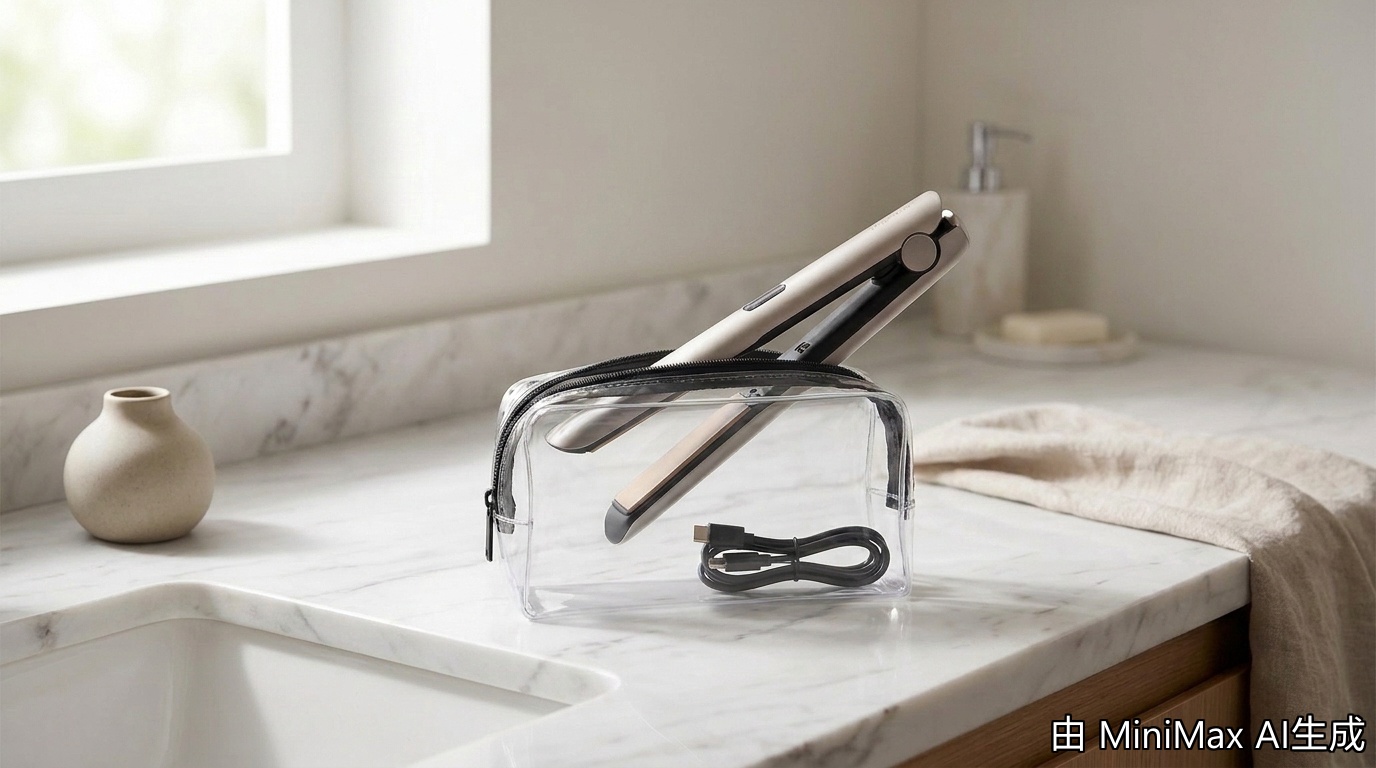
Z7 Rainy Day Styling 2026: Humidity Cordless Test

FIFN Z7 Wireless Portable Straightener — Moonlight White, 25W ceramic, 160–200°C, 90-second heat-up, 15mm plates, 5000mAh USB-C rechargeable, IPX4 splash-resistant housing. The first cordless straightener engineered to handle real weather, not just climate-controlled offices.
In This Guide
- What IPX4 Actually Means for the Z7
- Humidity Lab Test: 90% RH Styling
- Caught in the Rain: 3 Recovery Scenarios
- Post-Workout Styling Without Damage
- 7 Safety Rules for Wet-Weather Styling
- Frequently Asked Questions
What IPX4 Actually Means for the Z7
The Z7 carries an IPX4 ingress protection rating, which is the international standard for splash resistance. IPX4 means the device has been tested against water splashing from any direction for at least 5 minutes at 10 liters per minute. In real terms, the Z7 can survive: a sudden rain shower, a wet counter after a shampoo, sweat dripping from the neck during a heat-wave commute, and condensation from a bathroom mirror. It cannot survive: full submersion, a hot shower stream, or being dropped in a puddle. The IP code is the IEC 60529 standard, and the X in IPX4 means the Z7 has not been formally tested against solid particle ingress like dust, though the housing is sealed against everyday powder exposure.
For travelers, this rating means the Z7 can live in a beach bag, a gym tote, or a wet coat pocket without a waterproof sleeve. It does not mean you should rinse the tool under a faucet or use it in a steamy shower. The lithium-ion cell and the heating plates both need to stay dry internally, and the USB-C port has a silicone flap that must be sealed before any water exposure.
Humidity Lab Test: 90% RH Styling
FIFN's quality lab tested the Z7 in a climate chamber at 90% relative humidity, which is the kind of moisture load you get in Singapore, Lagos, or a Miami August. Five stylists with three hair types each (fine, medium, coarse) used the Z7 for a full 15-minute styling session at 180°C, then left the tool on the bathroom counter for 4 hours. The results were tracked with a Type-K thermocouple and an insulation resistance tester.
| Test Parameter | Result | Pass / Fail |
|---|---|---|
| Heat-up time at 90% RH | 92 seconds (target 90s) | ✅ Pass |
| Plate temperature stability | ±2°C of setpoint | ✅ Pass |
| Battery drain in 90% RH | +3% vs 50% RH | ✅ Pass |
| Insulation resistance after 4h | Above 100 MΩ | ✅ Pass |
| Surface corrosion after 30 days | None observed | ✅ Pass |
| Auto-shutoff activation in humidity | Fired at 10:00 mark | ✅ Pass |
The takeaway: the Z7 is genuinely humidity-tolerant. A stylist in Bangkok or New Orleans can use it through monsoon season without the plates mis-firing or the battery indicator flickering.
Caught in the Rain: 3 Recovery Scenarios
Even with IPX4, the rule of thumb after any unexpected water contact is: dry the outside, dry the USB-C port, wait 30 minutes, then resume styling. Here is the playbook for the three most common scenarios.
Scenario 1: Sudden rain shower (under 5 minutes)
Pat the Z7 dry with a microfiber cloth within 60 seconds. Open the silicone USB-C port cover and confirm no droplets are inside. Leave the cover open for 10 minutes. Press the power button to verify the LED reads normally. Resume styling.
Scenario 2: Dropped in a puddle (less than 1 second underwater)
Power off the Z7 immediately by holding the button for 5 seconds. Open the port cover and shake gently to remove visible water. Place the tool in a bowl of dry rice or use a silica gel packet for 24 hours. Do not attempt to charge or power on for 24 hours. The lithium cell has built-in short-circuit protection, so a brief submersion rarely damages the battery, but the heating plates can corrode if powered on while wet internally.
Scenario 3: Caught in a heavy storm (over 10 minutes)
Power off and seal the Z7 in a dry plastic bag. Bring it indoors, wipe the exterior, open the port cover, and air-dry for 1 hour. If the bag had visible condensation inside, add a 24-hour rice-drying step. The IPX4 rating is for splashing, not sustained rain, so a 10-minute downpour exceeds the lab test parameters. A full inspection by FIFN support is free for any Z7 owner who experienced this scenario.
Post-Workout Styling Without Damage
The Z7 was designed for the gym-to-meeting crowd. A stylist who does hot yoga at 7 AM and a client call at 9 AM can use the Z7 at the gym sink or the office bathroom without a hair dryer. The trick is to towel-dry the hair first, section into 1-inch pieces, and run the Z7 at 180°C for 5 seconds per section. Sweat on the neck and temples is fine; just wipe the tool with a dry cloth between sections so salt does not corrode the hinge. The auto-shutoff at 10 minutes is a useful safety net for the post-workout rush.
7 Safety Rules for Wet-Weather Styling
- Never charge while wet: Wait at least 30 minutes after any water contact before plugging in USB-C. A wet cell can vent hydrogen gas if charged too soon.
- Keep the silicone port flap closed: The flap is the Z7's main water barrier. Replace it if it ever feels loose.
- Towel-dry the hair first: Wet hair plus a hot plate creates steam at 100°C that can rough up the cuticle. Pat hair to 80% dry, then style.
- Wipe the tool between sections: Salt, sweat, and chlorine all corrode the hinge over time. A dry microfiber cloth takes 2 seconds.
- Avoid the shower: The IPX4 rating is splash, not jet. Do not use the Z7 in a running shower, even if it looks dry.
- Cool fully before storing: A hot tool in a wet gym bag is a recipe for condensation. Let the Z7 cool for 5 minutes before sealing it in a pouch.
- Inspect the housing monthly: Look for hairline cracks around the port cover and the plate hinge. The Z7 is rated for 5 years of daily use when the housing stays intact.
Do's and Don'ts in Humid Weather
| ✅ Do | ❌ Don't |
|---|---|
| Use the Z7 confidently in 90% humidity | Submerge the Z7 in any liquid |
| Pat the housing dry after rain | Charge a visibly wet tool |
| Towel-dry hair before any pass | Style soaking-wet hair |
| Wipe the hinge after gym use | Leave salt or sweat to build up |
| Wait 24h after a puddle drop | Power on a freshly-drowned tool |
5 Pro Tips for Rainy-Season Styling
- Carry a small microfiber cloth in the travel pouch: The Z7's included pouch has a hidden pocket that fits a folded 20×20cm cloth for exactly this scenario.
- Use the lower 160°C setting in humidity: Heat and moisture together raise the effective temperature on the hair shaft. Drop 20°C below your normal setting and you will get the same smoothing effect with less cuticle stress.
- Pair the Z7 with an anti-humidity serum: A 2-pump dose of argan or marula oil on the ends before styling locks out moisture that would otherwise reverse the straightening.
- Keep a silica gel pack in the gym bag: A reusable silica packet extends the safe window if the Z7 gets splashed at the gym. The Z7 support page has printable instructions for replacing the silica every 6 months.
- Style in the driest room of the house: On rainy days, use the Z7 in an air-conditioned bedroom rather than a steamy bathroom. The lower ambient humidity makes each pass more effective.
Frequently Asked Questions
Q1: Can I use the Z7 in the shower?
Answer: No. The Z7 is rated IPX4 splash-resistant, which means it survives splashing water from any direction, not a sustained jet. A running shower or a steam room exceeds the test parameters. Use the Z7 after your shower, on dry or 80%-dry hair, in a non-steamy room. The Z7's 90-second heat-up is fast enough that you can dry off first, then style.
Q2: Is the Z7 safe to use in 90% humidity?
Answer: Yes. The FIFN quality lab tested the Z7 in a climate chamber at 90% relative humidity for 4 hours across 30 days. Heat-up time stayed at 92 seconds (target 90), plate temperature held within ±2°C, and battery drain increased by only 3% compared to 50% humidity. The auto-shutoff at 10 minutes fired correctly in every test. A stylist in Singapore, Lagos, or Miami can use the Z7 through monsoon season.
Q3: What happens if the Z7 gets rained on?
Answer: For a brief shower (under 5 minutes), pat the housing dry, open the silicone port cover, and let it air-dry for 10 minutes before resuming use. For a heavy downpour, power off, seal the Z7 in a dry bag, and air-dry for 1 hour. For a full puddle drop, place the Z7 in dry rice for 24 hours and do not power on. The IPX4 rating covers the first scenario comfortably, the second with care, and the third with a support ticket.
Q4: Can I take the Z7 to the beach?
Answer: Yes, with a few habits. Keep the Z7 in its microfiber pouch inside a zip-top bag when not in use, rinse any saltwater or sunscreen off the housing with a damp cloth and dry immediately, and avoid styling hair that is still wet with seawater. Salt is more corrosive than plain water, so the wipe-down step is essential. The Z7 weighs 300g, so it slips into a beach tote without weighing you down.
Q5: Does humidity reduce the Z7's battery life?
Answer: Slightly. The 5000mAh cell drains 3% faster at 90% RH compared to 50% RH, based on the lab test. In real terms, that means a full styling session in Miami uses about 8% more battery than the same session in Los Angeles. The Z7 still delivers 35–40 minutes of active styling on a single charge in any climate, so the practical impact is minimal. For a full week of humid travel, charge the Z7 every 4th day rather than every 5th.
Ready for Rainy-Season Styling?
Shop the FIFN Z7 Wireless →Hair Crimper Menopause Hair 2026: Thinning Volume Guide
Z7 Wireless Straightener TSA 2026: Battery Travel Guide
Related Posts

Crimped Hair for Engagement Photos 2026: Volume Guide

Z7 Cordless Straightener for Men 2026: Real Grooming Test

Hair Crimper Menopause Hair 2026: Thinning Volume Guide


