

Hair Crimper for Heat-Damaged Hair 2026: Safe Styling
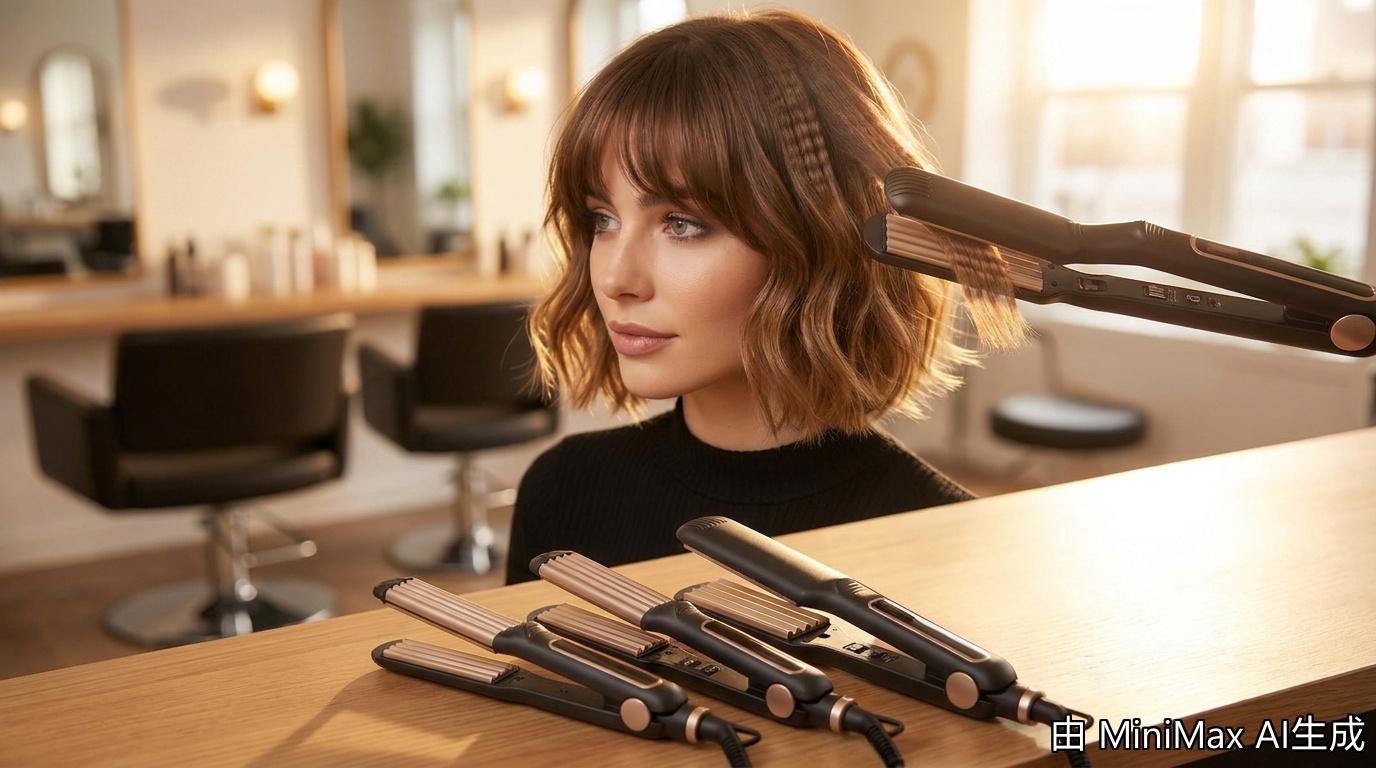
Hair Crimper for Heat-Damaged Hair 2026: Safe Styling
In This Guide
- 5-Step Tutorial: Crimping Damaged Hair
- Safe Temperature Guide
- Best Crimper Tools for Damaged Hair
- Do's and Don'ts
- 5 Pro Tips
- FAQs
5-Step Tutorial: Crimping Damaged Hair
| Step | Action | Time |
|---|---|---|
| 1 | Apply heat protectant + leave-in conditioner to damp hair, then blow-dry on low | 8 min |
| 2 | Section hair into 1-inch subsections, clip top layers out of the way | 2 min |
| 3 | Heat the crimper to 280–300°F (138–150°C) only — never higher on damaged hair | 3 min |
| 4 | Clamp small sections for 1–2 seconds, release without pulling. One pass only | 10 min |
| 5 | Cool fully before brushing, then apply argan or jojoba oil to the crimped lengths | 5 min |
Safe Temperature Guide for Damaged Hair
| Damage Level | Max Temp (°F) | Max Temp (°C) | Clamp Time |
|---|---|---|---|
| Mild (slight dryness) | 300°F | 150°C | 2 sec |
| Moderate (breakage, split ends) | 280°F | 138°C | 1–2 sec |
| Severe (chemical and heat damage) | 260°F | 127°C | 1 sec |
| Recovery (skip heat 2–4 weeks) | None | None | Air-dry style only |
Key Facts to Know
Fact 1: Damaged hair's cuticle layer is lifted or broken, which means it loses moisture 2x faster than healthy hair. Every 18°F (10°C) above 300°F accelerates that loss.
Fact 2: A 9mm mini crimper plate covers 64% less hair per clamp than a 25mm standard plate — less heat contact per section means less cumulative damage.
Fact 3: Ceramic plates distribute heat more evenly than titanium. Uneven hot spots above 320°F are the main cause of crimp-related breakage.
Best Crimper Tools for Heat-Damaged Hair

FIFN L05 Mini Hair Crimper — 9mm narrow plates and compact barrel. The smallest plate size in the FIFN lineup, ideal for short hair, bangs, and damaged-hair touch-ups where you want minimal heat exposure per section.

FIFN M01 Hair Straightener — 25mm ceramic tourmaline plates with even heat distribution. Doubles as a straightener for the days your hair needs a break from full crimping. Lower-temperature range suits damaged hair better than most drugstore flat irons.

FIFN L01 Hair Crimper — 25mm wide plates for full-head crimping on long, healthy hair. Use only on the lowest heat setting if your hair is recovering. Skip the L01 entirely during the first 2–4 weeks of damage recovery.
Do's and Don'ts
| Do | Don't |
|---|---|
| Use 280–300°F maximum on damaged hair | Crimp wet or damp hair — water boils and fractures the shaft |
| Apply heat protectant from mid-shaft to ends | Clamp the same section twice to fix a crimp |
| Wait 48–72 hours between crimping sessions | Crimp on days you're also blow-drying or curling |
| Deep condition with protein treatment weekly | Use the highest heat setting just to be safe |
5 Pro Tips
- Tip 1: On severely damaged hair, crimp only the underlayers. Top hair stays smooth or in loose braids. Try the L05 mini for underlayer crimping.
- Tip 2: Apply a silicone-free heat protectant. Silicones coat the cuticle and lock in damage. Look for polymers like PVP or hydrolyzed wheat protein instead.
- Tip 3: Stop crimping the moment you see steam or smell burning. Both mean the cuticle is opening beyond recovery. Use the M01 on its lowest setting for safer day-to-day smoothing.
- Tip 4: Sleep on a silk pillowcase. Cotton creates friction that breaks crimped patterns and roughs up the cuticle — undoing your careful low-heat work.
- Tip 5: Once a week, do a 30-minute mask with egg yolk, olive oil, and honey. Protein from the egg plus fatty acids from the oil rebuilds damaged cuticle faster than store-bought masks.
Frequently Asked Questions
Q1: Can I use a hair crimper if my hair is severely damaged from bleach?
Answer: Bleach-damaged hair is in the highest-risk category. Most stylists recommend a 4-week heat-free recovery period before any hot tool use. After that, crimping at 260°F (127°C) for 1 second per section is the absolute maximum. If you see any snapping or smell burning, stop and wait another 2 weeks.
Q2: Will crimping make my damaged hair worse?
Answer: At temperatures above 350°F (177°C), yes. At 280–300°F with proper heat protectant and 1–2 second clamps, the damage is minimal and your hair recovers overnight with deep conditioning. The bigger risk is repeated heat — daily crimping on damaged hair causes more harm than weekly sessions.
Q3: How do I know if my hair is heat-damaged?
Answer: The three signs are: hair stretches when wet and doesn't bounce back, split ends appear within 1–2 weeks of a trim, and the texture feels gummy or mushy when saturated. If all three are present, take a 4-week heat break and use protein treatments before resuming any crimping.
Q4: Should I use ceramic or titanium plates on damaged hair?
Answer: Ceramic plates, every time. Ceramic heats more evenly and has a lower maximum surface temperature. Titanium spikes above the dial setting during heat-up, which can fry damaged hair in a single pass. The FIFN L05 and M01 both use ceramic plates for this reason.
Q5: How long until my damaged hair recovers?
Answer: Mild heat damage recovers in 4–6 weeks with consistent protein treatments and heat-free styling. Moderate damage takes 2–3 months. Severe chemical-and-heat damage takes 6–12 months and may need a 2-inch trim to remove the worst sections. Crimping during recovery is possible at low heat, but not daily.
Need a Gentler Crimper?
Shop the FIFN L05 Mini Crimper →Hair Crimper for Fine Thin Hair 2026: Volume Guide
Hair Crimper for Curtain Bangs 2026: Soft Styling
Related Posts

Cordless Hair Crimper vs Wireless Straightener: What's Different?

Can You Crimp Hair With a Flat Iron? What Works and What Doesn't

Purple Hair Crimper Buying Guide: Color, Plates & Root Volume

Hair Crimper for Men: Subtle Root Volume for Short Hair

Best Hair Crimper for Thick Hair: Plate & Heat Buying Guide

Hair Crimper Y2K 2026: Step-by-Step Throwback Tutorial

Boho Crimped Hair for Outdoor Weekends: Soft Texture Guide


