

Hair Crimper for Highlighted Hair 2026: Color-Safe Styling
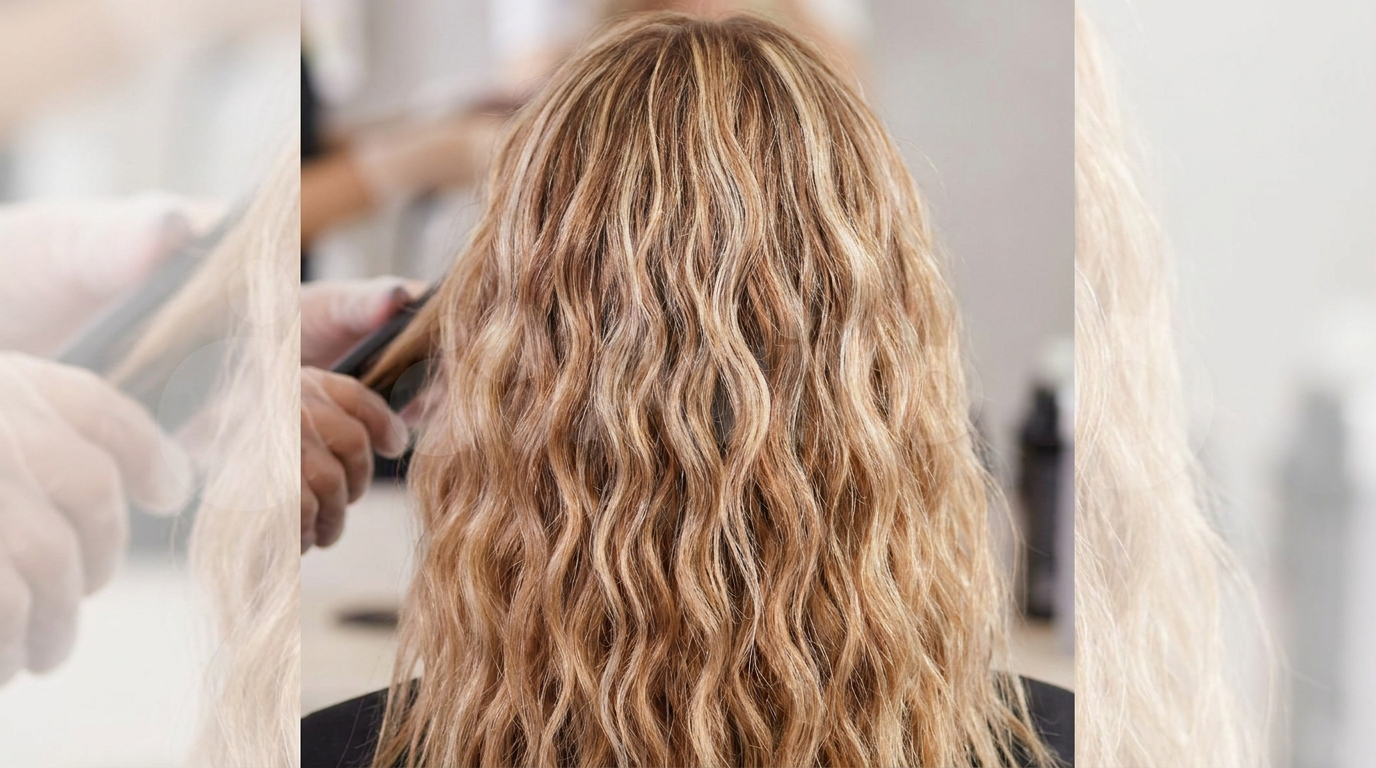
Hair Crimper for Highlighted Hair 2026: Color-Safe Styling
In This Guide
- Is Crimping Safe on Highlighted Hair?
- 5-Step Color-Safe Crimping Tutorial
- Temperature Guide by Highlight Type
- L01 vs M01 vs L05 for Color-Treated Hair
- 5 Pro Tips from Colorists
- FAQs
Is Crimping Safe on Highlighted Hair?
Highlighted hair is more porous than virgin hair. The bleaching process strips the cuticle outer protective layer, which is exactly what makes highlights look luminous and reflective — but it also means highlighted strands absorb heat faster and lose moisture quicker. Crank a crimper to 200°C on freshly highlighted hair and you'll see the damage within minutes: brassiness, breakage at the bend points, and dullness where the highlights used to shine.
That said, highlighted hair is not a no-heat zone. You just need a smarter approach. Three rules apply:
- Wait 7 days after highlighting before heat styling. This gives the cuticle time to recover and the toner or gloss to set fully. Crimping on day 1 post-highlight is the fastest way to fade a $200 balayage.
- Always use a heat protectant with bond-building ingredients. Standard silicone-based sprays are not enough for color-treated hair. Look for products with hydrolyzed keratin, silk proteins, or polyquaternium — these temporarily refill the cuticle gaps left by bleach.
- Lower your temperature setting by 20°C. If your non-highlighted strands normally need 180°C, crimp highlighted sections at 160°C. The single-pass efficiency of the FIFN ceramic plates means you can drop temperature without sacrificing the wave definition.
5-Step Color-Safe Crimping Tutorial for Highlighted Hair
| Step | Action | Time |
|---|---|---|
| 1 | Wash with sulfate-free color-safe shampoo and towel-dry until hair is 80% dry. Crimping wet hair causes steam damage; fully dry hair requires higher heat and longer passes. | 8 min |
| 2 | Apply a bond-rebuilding heat protectant from mid-lengths to ends, focusing on highlighted sections. Comb through for even distribution. | 2 min |
| 3 | Section hair into 4 quadrants and clip the top layers out of the way. Work from the bottom up so each crimp sits cleanly on the section underneath. | 3 min |
| 4 | Set the FIFN L01 Hair Crimper to 160–170°C. Clamp a 1-inch section near the root for 3 seconds, release, and move down the strand. Single pass only on highlighted strands. | 12 min |
| 5 | Cool crimped hair fully before running fingers through it. Heat-set waves need to drop to room temperature to lock in shape. Finish with a color-safe shine spray. | 5 min |
Temperature Guide by Highlight Type
| Highlight Type | Max Safe Temp | Recommended Setting |
|---|---|---|
| Subtle face-frame highlights | 200°C | 180°C |
| Full balayage / ombré | 180°C | 170°C |
| Platinum / double-process | 170°C | 160°C |
| Babylights / micro highlights | 180°C | 170°C |
| Color-deposited highlights (red, copper, fashion tones) | 170°C | 160°C |
Platinum and color-deposited highlights need the lowest heat because they have been through the most chemical processing. Subtle face-frames tolerate more, but the rule still applies: drop 20°C below what you'd use on virgin hair.
L01 vs M01 vs L05 for Color-Treated Hair

FIFN L01 Hair Crimper — 25mm wide plates with ceramic tourmaline coating. The wider barrel creates softer S-waves and covers more surface per pass, which means fewer clamp cycles on highlighted strands. Best for shoulder-length and longer hair with scattered highlights. Adjustable temperature from 140–200°C.

FIFN M01 Hair Straightener — Also 25mm plates but with floating plate technology that adjusts pressure to hair thickness. The gentler clamp is ideal for highlighted sections because it avoids the pinch-point breakage that fixed-plate tools cause on fragile bleached strands. Doubles as a straightener and crimper with a flip of the plate orientation.

FIFN L05 Mini Hair Crimper — 9mm narrow plates designed for root lift, short hair, and precision crimping around face-framing highlights. The compact size keeps heat concentrated in small sections, so you can crimp just the highlighted face-frame pieces without re-touching the rest of the head. Lower temperature ceiling (180°C max) makes it the safest pick for platinum hair.
Dos and Donts for Crimping Highlighted Hair
| Do | Dont |
|---|---|
| Wait 7 days after your highlight appointment | Crimp the same day as your color service |
| Use bond-rebuilding heat protectant | Rely on basic silicone sprays |
| Drop temp by 20°C vs. virgin hair | Crank to 200°C on bleached strands |
| Single-pass clamp for 3 seconds | Hold for 8+ seconds or repeat-pass the same section |
| Use a color-depositing mask weekly | Skip conditioning to save time |
5 Pro Tips from Colorists
- Schedule your highlight refresh 1–2 days before a crimping session. Freshly toned highlights actually respond better to low-heat styling than week-old color, because the cuticle is still sealed flat. FIFN ceramic plates glide smoothly on this fresh canvas.
- Pre-section by color, not by size. Most people section hair by thickness. For highlighted hair, separate your bleached strands from your natural base and crimp them with different temperature settings in the same session.
- Use a toner-refreshing spray on day-of. A purple or blue toner mist neutralizes brassiness that heat can amplify. Mist lightly, blow-dry to set, then crimp. The result is brighter, cooler highlights that look freshly done.
- Crimp highlights at the mid-shaft, not the root. Heat damage concentrates at the bend points. Skip crimping the root area on highlighted strands — focus the tool from mid-shaft to ends where the cuticle is healthier.
- Finish with a cold rinse in the shower. After crimping, rinse your hair with the coolest water you can stand for 30 seconds. The cold shock re-seals the cuticle, locks in the wave pattern, and adds shine to the highlights that heat styling can temporarily dull.
Frequently Asked Questions
Q1: Can I crimp hair that has been freshly highlighted in the last 7 days?
Answer: No. Highlighted hair needs at least 7 days to recover before any heat styling. The bleaching process raises the cuticle and leaves the cortex exposed. Crimping within the first week causes severe breakage, accelerated color fade, and uneven texture where the toner has not fully oxidized. Wait the full 7 days, and use a bond-building mask on wash days 2-6 to prep the strands for heat.
Q2: Will crimping cause my highlights to fade faster?
Answer: Crimping at the correct temperature (160-180°C for highlights) does not significantly accelerate fade. Crimping at 200°C+ on bleached strands absolutely does. Heat above 190°C oxidizes the dye molecules in highlighted sections, shifting cool tones brassy and pulling warm tones orange. Stick to the recommended range and your highlights will hold their tone for the full 6-8 weeks between salon visits.
Q3: Which FIFN crimper is best for platinum or color-deposited highlights?
Answer: The FIFN L05 Mini is the safest choice. Its 9mm plates and 180°C max temperature give you precision crimping without the risk of overheating platinum or fashion-toned strands. The narrow plate width also lets you target just the highlighted face-framing pieces without re-clamping the entire head. For longer hair with full balayage, the FIFN L01 at 170°C is a better fit.
Q4: Do I need a special heat protectant for highlighted hair?
Answer: Yes, generic drugstore heat protectants are not enough for color-treated hair. Choose a protectant with bond-rebuilding ingredients: hydrolyzed keratin, silk amino acids, or polyquaternium-10. These form a temporary protein scaffold inside the cuticle that takes the heat instead of your hair. Apply to damp hair before blow-drying and reapply a light mist to dry hair before crimping.
Q5: How often can I crimp highlighted hair without damage?
Answer: Twice per week maximum for highlighted hair. Color-treated strands need recovery time between heat sessions. On non-crimping days, use a diffuser or air-dry and embrace your natural texture. The crimped waves from one session hold for 2-3 days with dry shampoo at the roots, so you do not need to re-style every day. Over-crimping is the fastest path from "highlighted" to "highlighted and damaged."
Ready to Crimp Your Highlights Safely?
Shop FIFN Color-Safe Crimpers →Crimped Hair for Straw Hat Season 2026: 8 Styles
Hair Crimper for Layered Cut 2026: Texture by Section
Related Posts

Hair Crimper Y2K 2026: Step-by-Step Throwback Tutorial

Boho Crimped Hair for Outdoor Weekends: Soft Texture Guide

Hair Crimper for Bedhead Waves 2026: Texture Guide

Hair Crimper for Long-Layered Hair 2026

Hair Crimper for Teachers: Soft Root Volume Guide

Hair Crimper for High School Reunion 2026

Hair Crimper for Choir Performances: Stage-Ready Volume Guide


